On August 1, 2026, GB/T 47086-2026, Reinforcing Fibers and Microfiber Wool—Determination of Diameter and Its Distribution—Digital Optical Scanner Method, officially took effect, introducing digital optical scanning as a new approach to diameter inspection. For purchasing and quality-control managers, practical questions are only beginning: when the method changes, how should equipment be selected? Products are all described as automated inspection equipment, their specifications look similar, yet prices differ severalfold. Where do the differences lie? This article focuses on the key selection criteria and a checklist that can be incorporated directly into acceptance conditions.
I. Understand the Difference Between Old and New Methods Before Defining Equipment Requirements
GB/T 7690.5-2013 uses manual microscopic measurement: inspectors read individual fibers with an eyepiece micrometer and average random measurements. GB/T 47086-2026 uses digital optical scanning: the entire specimen is imaged, every fiber is automatically recognized and measured, and diameter and its distribution are reported.
The fundamental difference is not speed but sample size and data format: an average of a few dozen fibers versus the statistical distribution of more than ten thousand. Once this is understood, selection becomes clearer. The equipment must answer not just the average diameter, but the shape of the distribution, the proportion of abnormally coarse or fine fibers, and whether customers can verify the data.
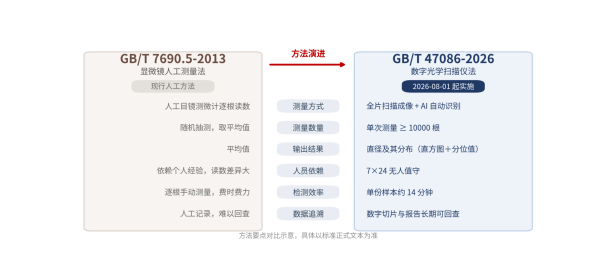
Figure 1. Comparison of GB/T 7690.5-2013 (old) and GB/T 47086-2026 (new)
II. Five Selection Criteria
Criterion 1: Measurement Precision and Optical Resolution.In purchasing disputes involving electronic-grade glass fiber and ultrafine fiber wool, a deviation of 0.1 μm can affect the classification of an entire batch. For example, Tanvint’s TW-H-40X-N-MW-D-01, a model for wool-like reinforcing fibers, provides software calculation precision of 0.01 μm (not whole-system measurement error), scanning resolution ≤0.17 μm/pixel, 400× physical magnification and 2000× digital magnification, and a diameter range of 1~6 μm. This range corresponds to core specifications for ultrafine glass fibers, fiber wool and mineral wool. Incorporate such indicators into acceptance conditions and verify them using a calibrated scale slide rather than relying solely on promotional material.
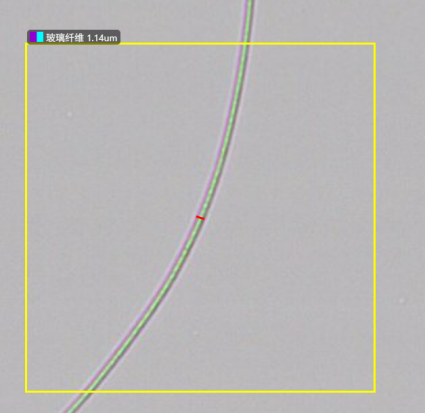
Figure 2. Recognition screenshot of an actual fiber-wool sample
Criterion 2: Fiber Count per Run and Statistical Representativeness.A bundle contains tens of thousands of fibers. When the old method samples only a few dozen, small numbers of abnormally coarse or fine fibers are unlikely to appear in the field. Include the measured fiber count per run in the comparison table: this model measures 10000 fibers per run and takes approximately 5 minutes per specimen. Without sufficient counts, a meaningful distribution cannot be obtained.
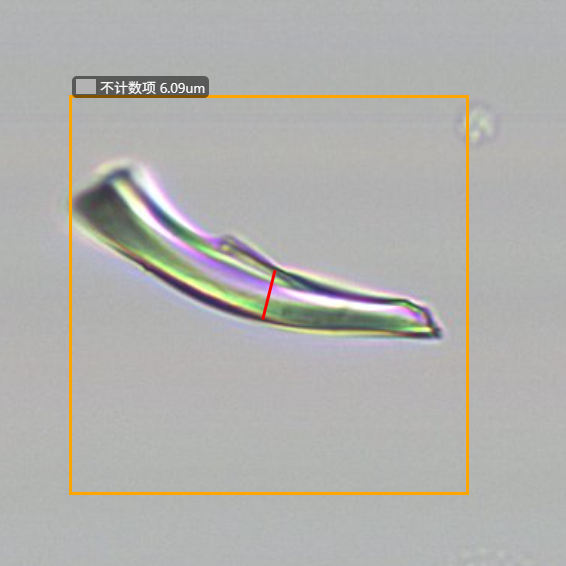
Figure 3. Shot recognition screenshot of an actual mineral-wool sample
Criterion 3: Distribution Output.The new standard’s key phrase is “and its distribution.” Reports should at least include a diameter-distribution histogram, average diameter, dispersion and the proportion of abnormally coarse/fine fibers. If your company has internal requirements for percentiles such as D50 and D90, confirm during selection that the software directly outputs these data.
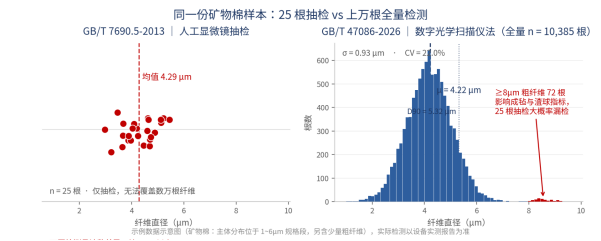
Figure 4. Sampled scatter data vs. a full-inspection distribution histogram: differences in statistical representativeness
Criterion 4: Automation and Throughput.Automation offers more than labor savings. This model supports cyclic loading and unloading, at least 30 samples per load, a maximum capacity of at least 240 samples and 7×24-hour unattended continuous operation. Calculating inspection cost per sample based on throughput is often more worthwhile than comparing equipment prices alone. Also confirm that loading capacity matches the production line’s sample-delivery rhythm.
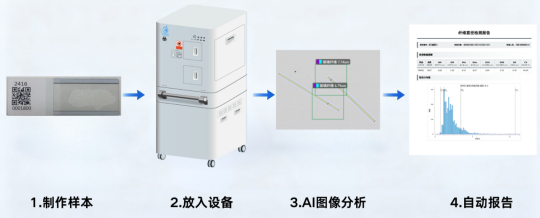
Figure 5. Complete workflow: specimen preparation → loading → AI image analysis → automatic reporting
Criterion 5: Recognition of Non-Target Components.Mineral-wool and fiber-wool samples contain shot and impurities. Alumina fibers also differ according to sizing presence and continuous or short filament form. If equipment cannot automatically recognize and exclude non-target objects, statistics for more than ten thousand fibers will be contaminated. Verify this using real production samples during equipment trials rather than clean samples prepared by the supplier.
III. Different Industries Have Different Priorities
• Electronic-grade glass fiber/electronic-fabric manufacturers:Beyond diameter tolerances, where electronic-fabric inspection is also required, prioritize coverage of warp and weft density, finished width and gap area. A single system covering multiple inspection stages enables consistent data definitions.
• Mineral-wool manufacturers (rock wool/slag wool):Diameter distribution is directly linked to shot content and thermal conductivity, making automatic shot/impurity recognition essential. Distribution stability within 1~6 μm must be verified during acceptance.
• Ceramic fiber wool manufacturers:Wool-sample models are the main match, but precision in the ultrafine range and preparation compatibility for specimens from high-temperature conditions require separate validation. Do not assume glass-fiber parameters apply unchanged.
IV. 8 Acceptance Criteria That Can Be Written Directly into a Contract
1. The report format must comply with the method description in GB/T 47086-2026 for digital optical scanning, and identify the standard number and equipment model used, such as TW-H-40X-N-MW-D-01;
2. The measured fiber count per run must meet the agreed minimum, stated contractually and verified on site;
3. Optical resolution and measurement precision must be verified using a calibrated scale slide. Reference levels: resolution ≤0.17 μm/pixel and software calculation precision 0.01 μm (not whole-system measurement error). Acceptance based only on a specification sheet is unacceptable;
4. Measure the same specimen n times, provide repeatability data (coefficient of variation), and agree on an acceptable interval in advance;
5. During the transition, compare results with the manual microscopic method in GB/T 7690.5 and retain both parties’ data for reference;
6. Demonstrate automatic shot/impurity recognition, mandatory for mineral-wool and fiber-wool companies, and agree on a maximum misidentification rate;
7. Test unattended continuous operation, for example 72 continuous hours with specified batches, recording interruptions and the ability to resume from checkpoints;
8. Original digital slides and reports must remain retrievable. Historical reports and slides require long-term retention; models at this capacity level support 100,000 reports and 5000 slides. Chinese and English export must support traceability requirements for customer audits and industry sampling.
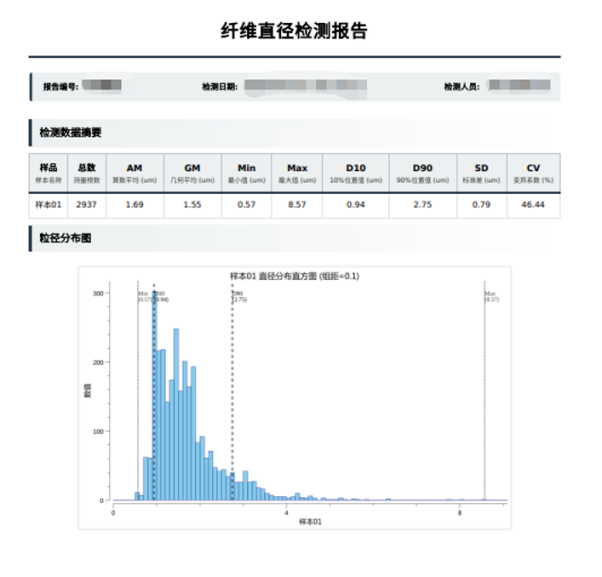
Figure 6. Fiber diameter-distribution report
V. Three Common Pitfalls
First, asking only about average diameter and overlooking distribution output. Distribution is the new standard’s core addition; equipment that only compares averages effectively automates the old method. Second, using demonstration specimens instead of real acceptance specimens. Require the supplier to test both normal and extreme samples from your own line. Third, comparing purchase price rather than inspection cost per specimen. Account for manual time, staffing and equipment throughput together; the conclusion often changes.
Final Thoughts
Upgrading the method means more than faster inspection. When conclusions change from an average of a few dozen fibers to a distribution of more than ten thousand, disputes over 0.1 μm gain an objective basis for resolution, and customer audits and sampling gain traceable records. Hangzhou Tanvint focuses on intelligent inspection at the microscopic level, independently develops intelligent microscopic robots and participated in drafting GB/T 47086-2026. If your company is evaluating equipment under the new standard, bring real specimens to Hangzhou for a comparative test. Results from your own samples are more reliable than any specification sheet.