Hangzhou Tanwei Intelligent Technology Co., Ltd. announced that its TW-E-H-IR-01 Woven Fabric Density Tester, designed for physical inspection of woven fabrics, has completed development and is officially available. Appointments for sample testing and on-site demonstrations are now accepted. The equipment combines near-infrared microscopic imaging with yarn-edge algorithms, using a timing basis of 30 seconds/inch, including report generation. The total time for a two-direction warp and weft task depends on the measurement length and directions, and individual yarn images are retained for review.
Bringing the fabric counting glass into a digital optical workflow
Warp and weft density is the number of warp and weft yarns per unit length. It directly affects fabric weight, handle and garment shrinkage. The long-established inspection method uses a fabric counting glass and manual counting: the sample is flattened, yarns are counted one by one through a magnifier, and the results are converted to threads/10 cm or threads/inch. Continuous floats in twill and satin fabrics, or dark and highly saturated yarn-dyed samples, make interlacing points difficult to distinguish. Results from different inspectors may vary. When suppliers and buyers disagree, traceable evidence is often unavailable. The TW-E-H-IR-01 assigns these steps to optics and algorithms; the operator places the sample and reviews the results.
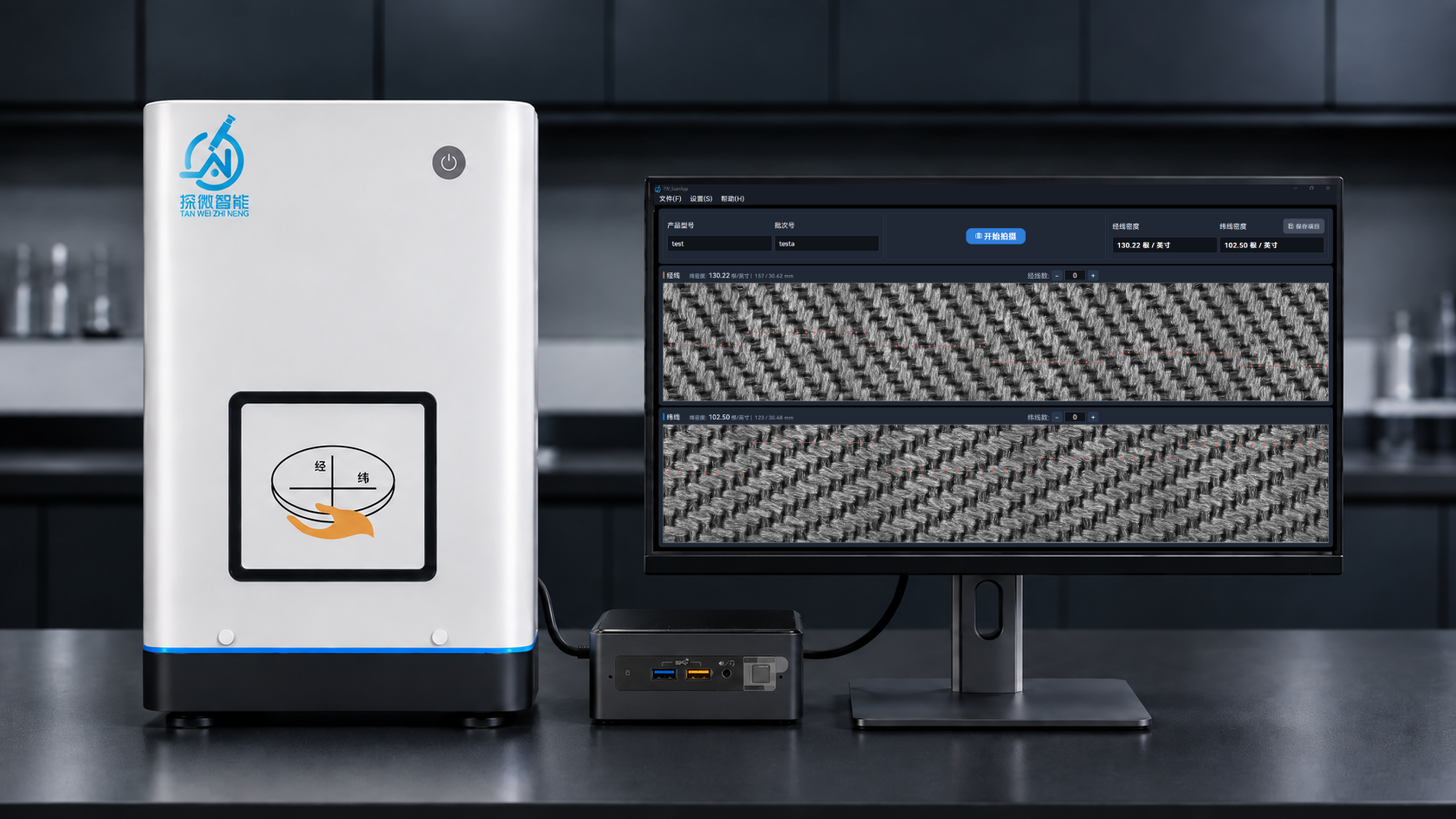
Figure 1. Woven Fabric Density Tester and display terminal
Near-infrared imaging reduces dye interference and also measures patterned fabrics
The imaging system uses a near-infrared light source, substantially reducing the influence of dye color on yarn-edge recognition. Both solid-color and patterned fabrics retain clear contrast in the images. Images are acquired at 4× physical magnification with a scanning resolution no greater than 0.9 μm/pixel. The algorithm outlines each yarn at pixel level and reconstructs sections obscured by floats according to the interlacing pattern. Samples should be rectangular or circular fabric pieces measuring 6 to 8 cm. The maximum detection length in each warp and weft direction is 5 cm, and configurations can be customized to the inspection requirements.
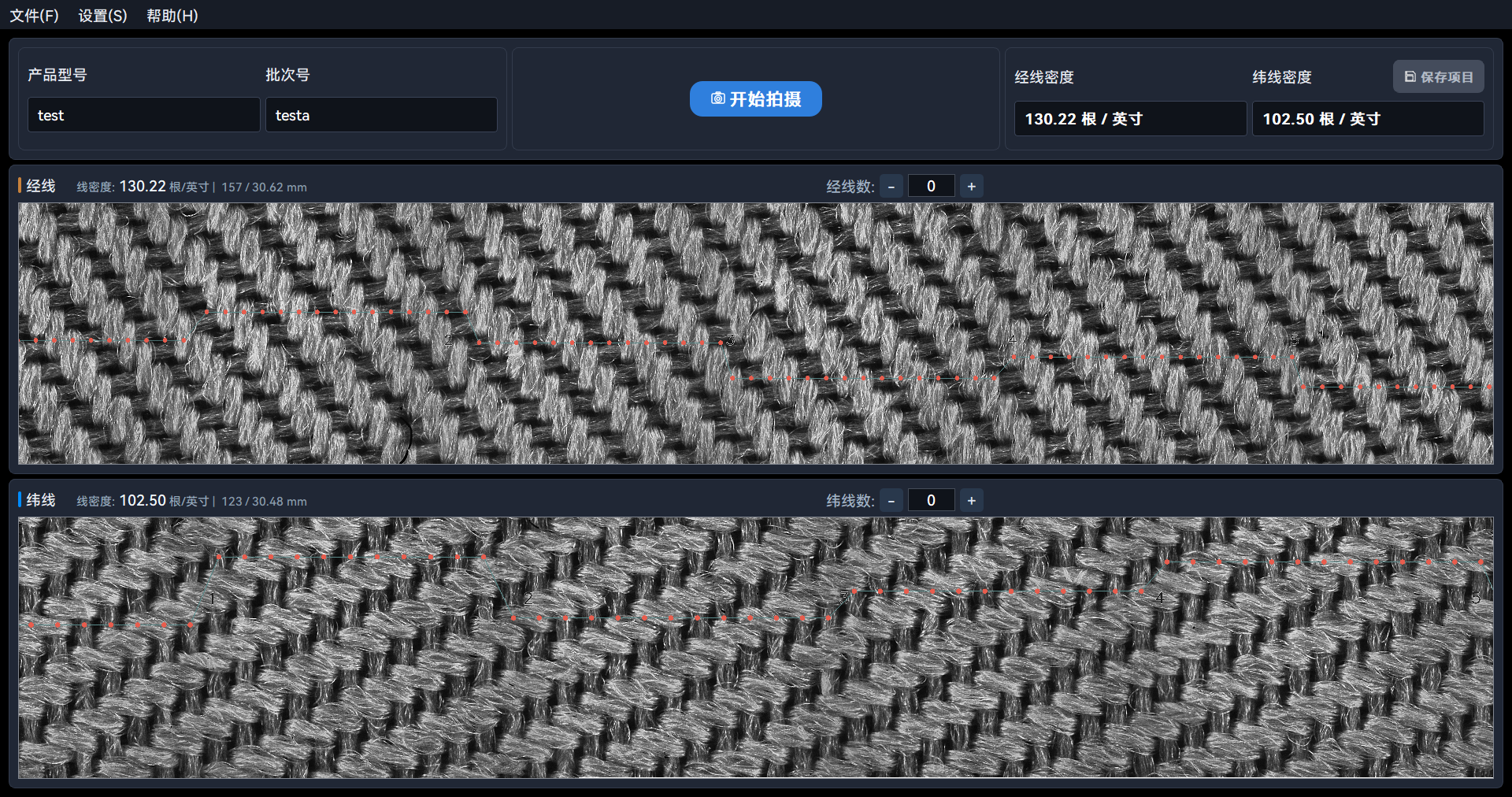
Figure 2. Main inspection software interface, showing results from the warp and weft channels simultaneously
Automatic fabric-angle determination eliminates manual alignment of diagonal weaves
Diagonal weave patterns can misalign the counting direction with the yarn direction. During acquisition, the equipment uses a rolling guidance filter to suppress noise and calculates the fabric angle from a structure tensor. Closed-loop tray rotation then aligns the fabric to the specified angle before imaging continues. When changing direction, a 90-degree turn and 20% image overlap enable seamless stitching, retaining a continuous image of the full fabric surface. The software simultaneously displays the angle between measurement lines, the angle to the horizontal and scale readings. Inspectors can retain the automatic result or manually adjust it by dragging the endpoints.
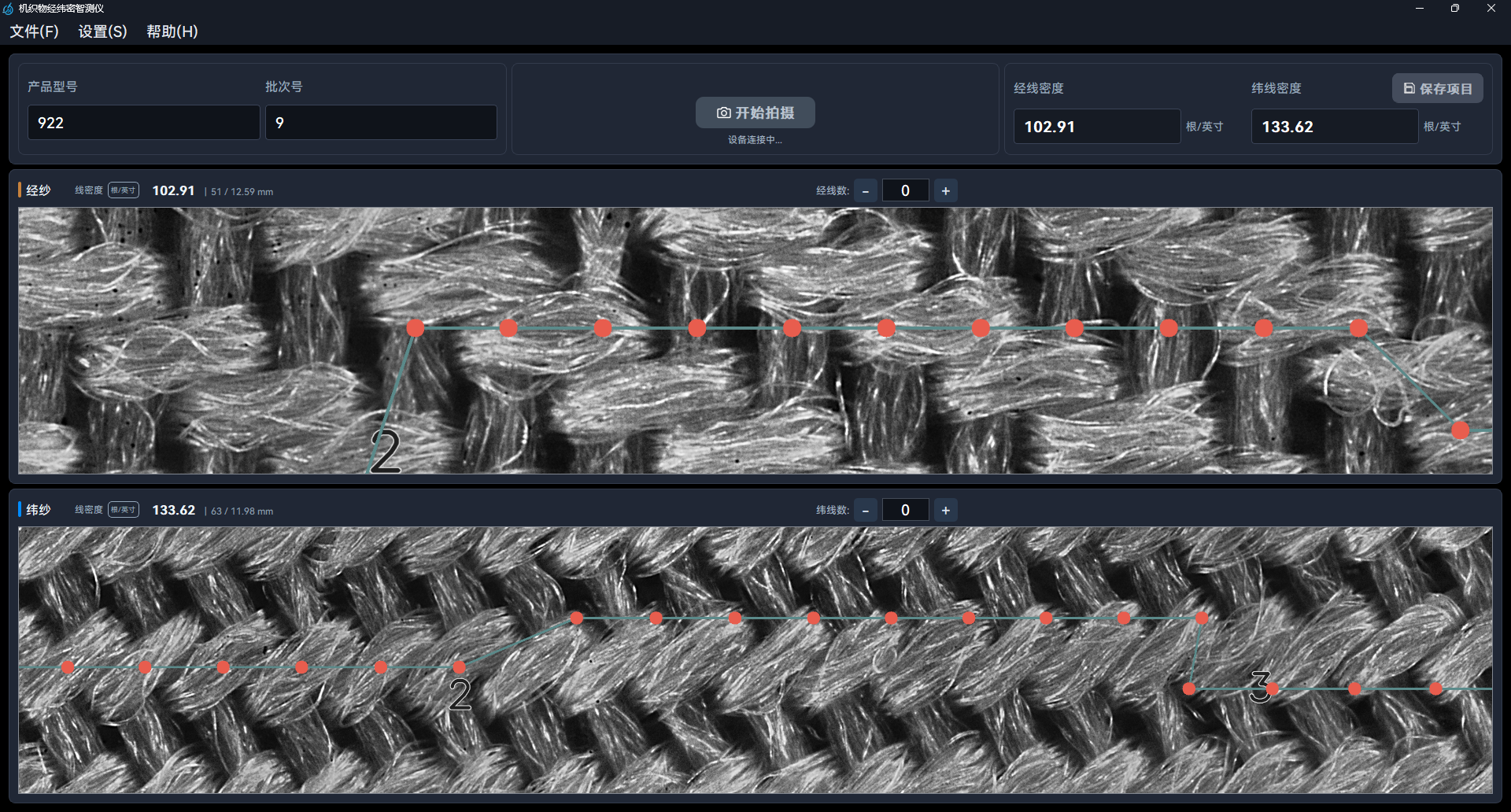
Figure 3. Twill sample measurement, with individual counting markers arranged along the yarn direction
0.1-thread resolution and a maximum error of ±0.2 threads, with traceable decision evidence
Counting uses multi-window grayscale projection, followed by smoothing to extract periodic yarn peaks. A periodicity match score is then used to identify duplicates, preventing the same yarn from being counted twice. Pixels are calibrated against actual length using a standard scale slide. The measurement resolution is 0.1 thread, with a maximum error of ±0.2 threads. Every counted yarn retains a corresponding image, archived with the report so that the decision evidence can be retrieved by its identifier. If power is interrupted during inspection, the system resumes automatically when power is restored. Instrument calibration is performed by an independent metrology organization, and the calibration certificate is supplied with the equipment.
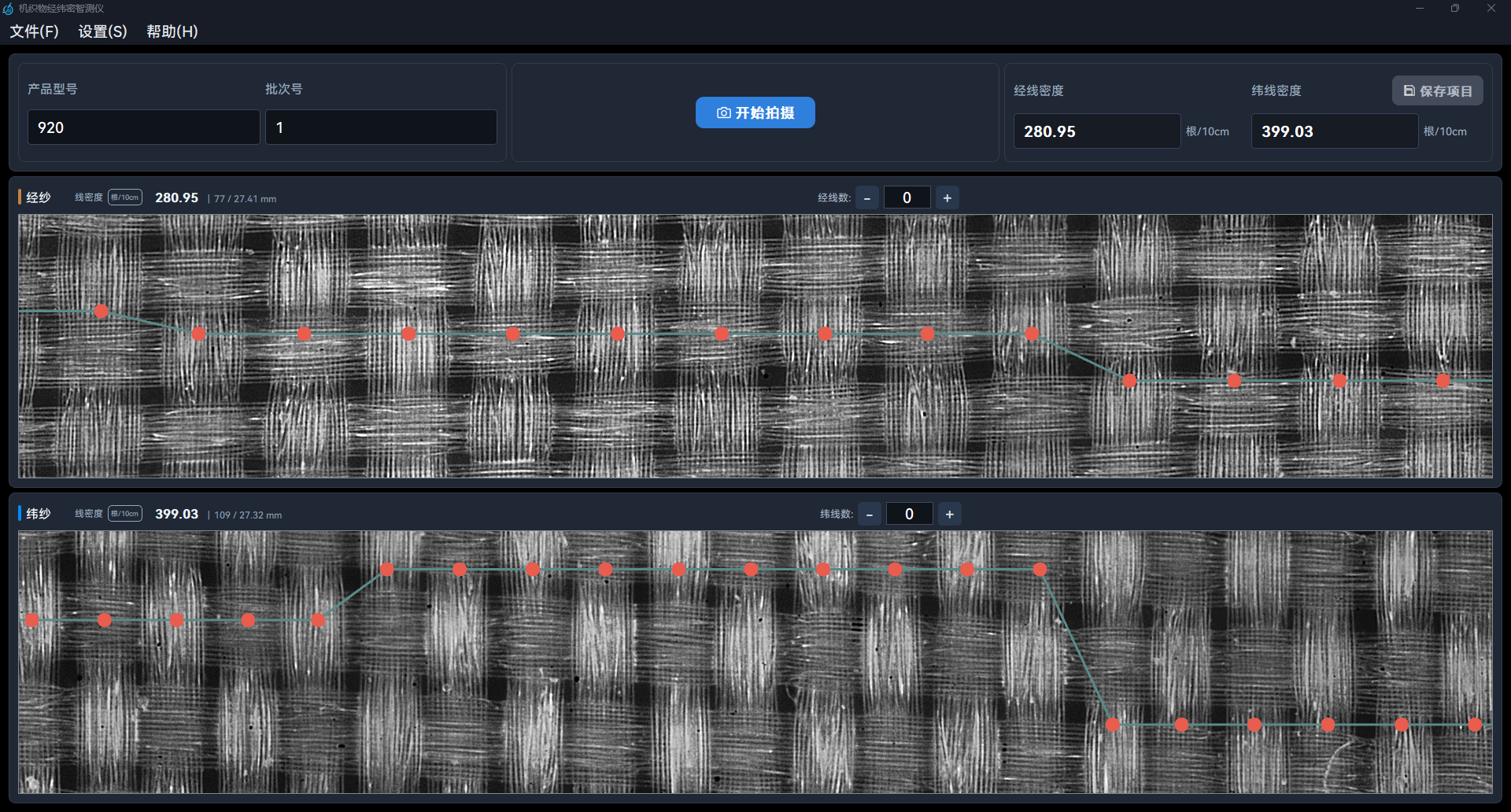
Figure 4. Measurement of a high-density plain-weave sample, with results shown in threads/10 cm
Live demonstration: measured readings from 3 fabric sample types
The demonstration shows a twill sample producing a warp density of 130.22 threads/inch and a weft density of 102.50 threads/inch in a single measurement. A high-density plain-weave sample produced 280.95 threads/10 cm and 399.03 threads/10 cm. A printed yarn-dyed fabric continued to give stable counts of 90 and 108 after color removal, matching manual yarn-by-yarn review. The interface supports switching between threads/inch and threads/10 cm. The operating software runs on Windows.
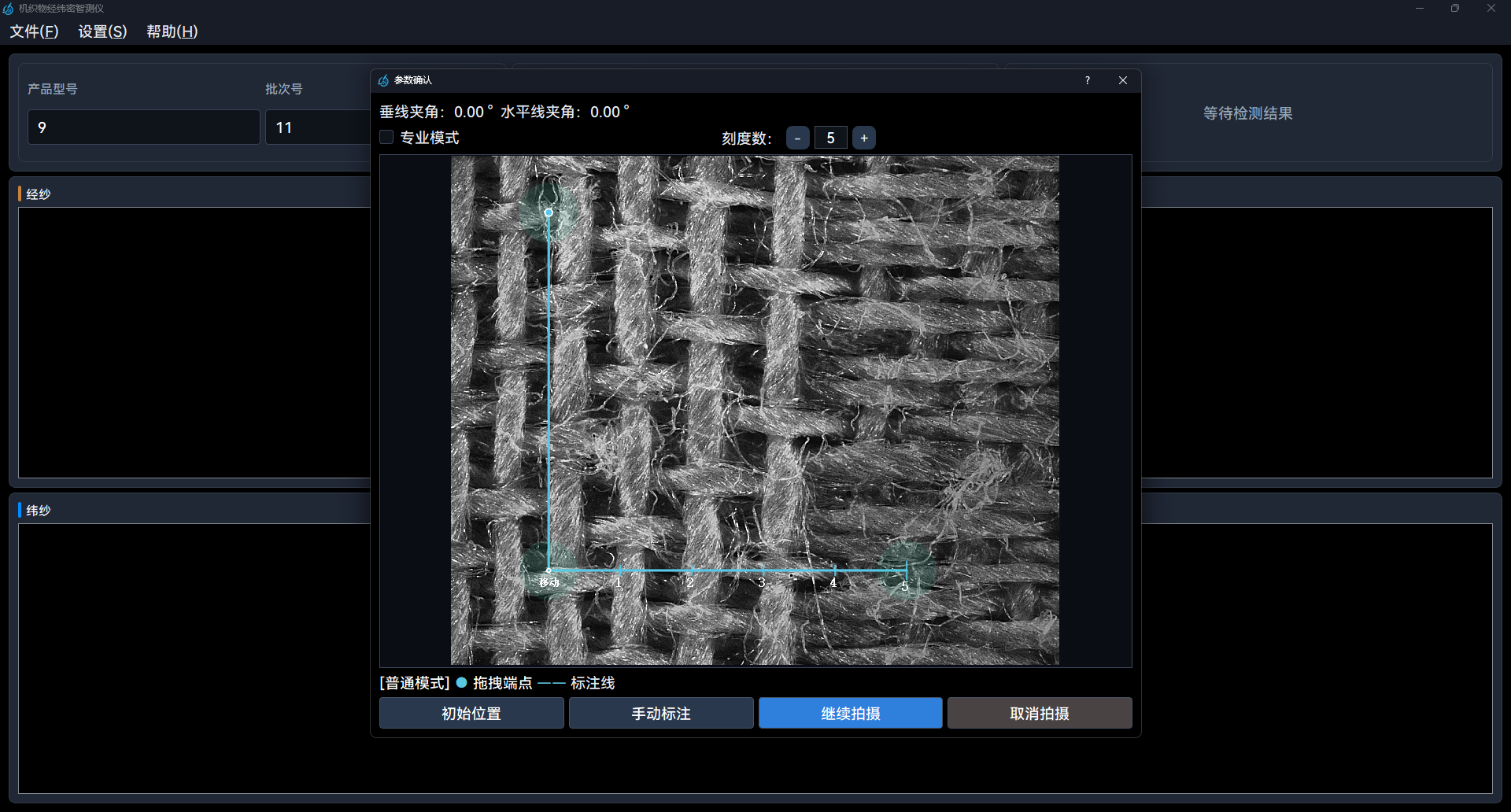
Figure 5. Parameter confirmation window and acquisition-position confirmation window for repeating-pattern fabrics
Applications and services
The model is suitable for greige and finished fabric inspection at weaving mills, pattern matching before dyeing and printing, sampling inspections by independent testing and metrology organizations, fabric trade acceptance checks, registration of new fabric specifications at fabric-market stalls, and teaching demonstrations at textile colleges. Tanvint plans to recruit distributors and agents in textile industry clusters and provide demonstration units, on-site calibration and operator training.
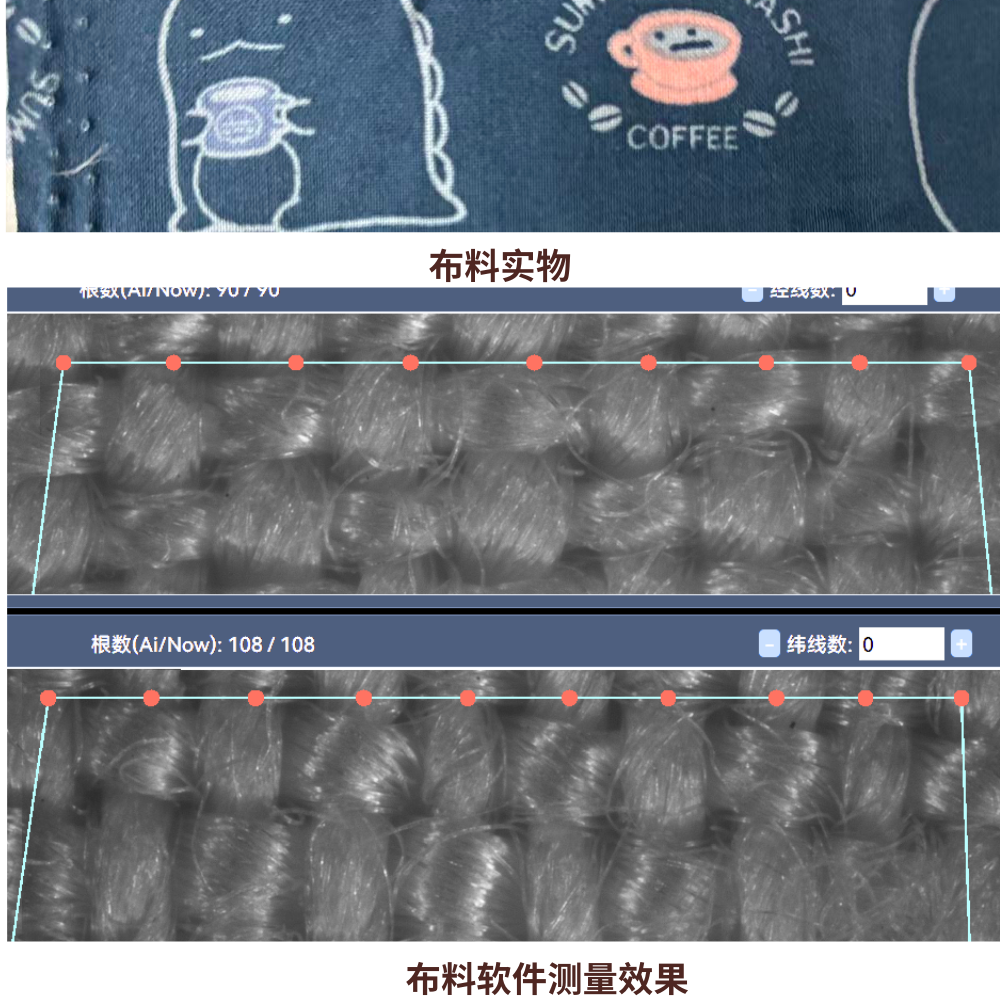
Figure 6. Counting a printed fabric after color removal: automatic results and manual review both give 90 and 108 yarns